INTRODUCTION & KEY CHALLENGES
fa
Safety first. A drive's DC bus remains charged for several minutes after power is cut: its capacitors can retain a lethal voltage. Never open a live drive. Lock out the system, wait for discharge, and verify the absence of voltage before any intervention. In case of doubt, do not touch anything and call a professional.
TROUBLESHOOTING MALFUNCTIONS
A drive that faults often means a production line halt and waiting production. At that moment, the screen displays a code, the motor no longer turns, and the question is always the same: where does the fault come from, and is it repairable?
In over 25 years of diagnosing and repairing industrial electronics, I've observed that the vast majority of drive faults fall into a few well-identified categories. Here are the 6 most frequent causes, along with the signs that allow for an initial diagnosis—even before sending us the device.
1. DC Bus Overvoltage (OU / OV type codes)
DISASSEMBLING THE HMI PANEL
This is one of the most common faults. The drive detects excessively high voltage on its DC bus and goes into safety mode to protect itself.
How to identify it: The fault typically occurs during deceleration or stopping. When a drive brakes a high-inertia load (a flywheel, a loaded conveyor, a centrifuge), the motor sends energy back to the drive—if not dissipated, the voltage climbs. Check the input mains voltage (a high mains voltage accentuates the phenomenon), the deceleration ramp setting, and especially the condition of the braking resistor and its chopper. A cut resistor or a faulty chopper causes this fault recurrently.
2. Undervoltage or Phase Loss (LU / UV type codes)
Conversely, the drive signals insufficient input voltage.
How to identify it: Measure the three supply phases upstream—a missing or weak phase is a classic cause (fuse, contactor, loose terminal, cable). If the mains are healthy but the fault persists, measure the DC bus voltage: abnormal ripple indicates fatigued bus capacitors that no longer hold the charge (see cause #6).
3. Overcurrent and Overload (OC / OL type codes)
Here, the drive experiences more current than expected. Two situations must be distinguished:
- Instantaneous Overcurrent (OC): a sudden peak, often during acceleration or startup. This points to a short circuit at the output, a motor wiring fault, or a faulty drive power stage.
- Thermal Overload (OL): gradual heating. The motor is straining—mechanical hard point, seized bearing, excessive load, or too fast an acceleration ramp.
How to identify it: Disconnect the motor from the mechanical system and perform a no-load test. If the fault disappears, the problem is mechanical or load-related. If it persists with the motor disconnected, the origin is most likely in the drive or its output wiring.
4. Drive Overheating (OH / OT type codes)
The drive continuously monitors the temperature of its heatsink and power stage. Beyond a certain threshold, it shuts down.
How to identify it: The fault appears under load, after a certain operating time, and more often in warm periods. The usual causes are mechanical before being electronic: cooling fan out of service (noisy, slow, or blocked), heatsink clogged with dust, or excessively high ambient temperature in the cabinet (faulty cabinet ventilation, clogged filters). Prioritize checking fan rotation and radiator cleanliness.
5. Ground Fault or Short Circuit (GF / SC type codes)
The drive detects a current leakage to ground or a short circuit at the output. This fault often occurs right at startup.
How to identify it: Disconnect the motor from the drive and perform an insulation measurement (megohmmeter) on the motor and its cable. Degraded insulation—common with humidity, condensation, or winding age—explains the fault. If the motor and cable are healthy, the origin lies in the drive's power stage: a short-circuited IGBT module triggers exactly this type of code. For servo drives, the same reasoning applies to servomotors and servo drives.
6. Component Aging: Capacitors and IGBTs
This is the most insidious cause, because it doesn't always give a clear code. Over time, the electrolytic capacitors of the DC bus dry out and lose their capacitance, and the IGBT power modules reach the end of their life.
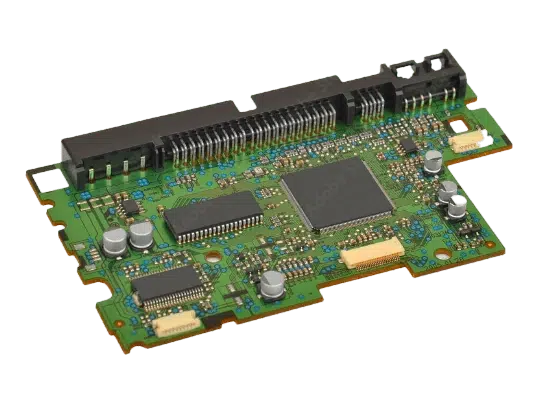
How to identify it: Beware of intermittent or erratic faults, difficult startups, behaviors that change when hot, or a drive that 'fails' more and more often. Visually, swollen, leaking, or vented capacitors are unmistakable. This is typically where component-level repair makes perfect sense: replacing fatigued parts and refurbishing the device—the same demanding approach as for electronic board repair—rather than discarding an otherwise perfectly healthy drive.
Is your drive repairable?
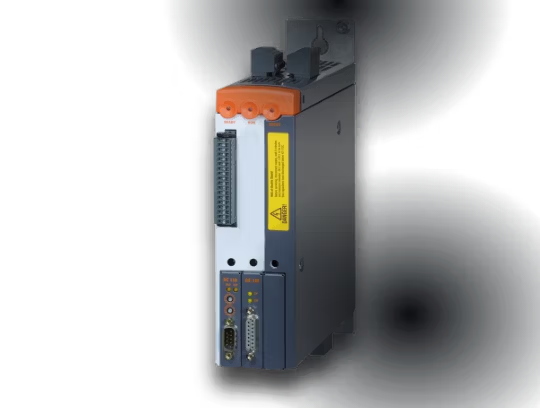
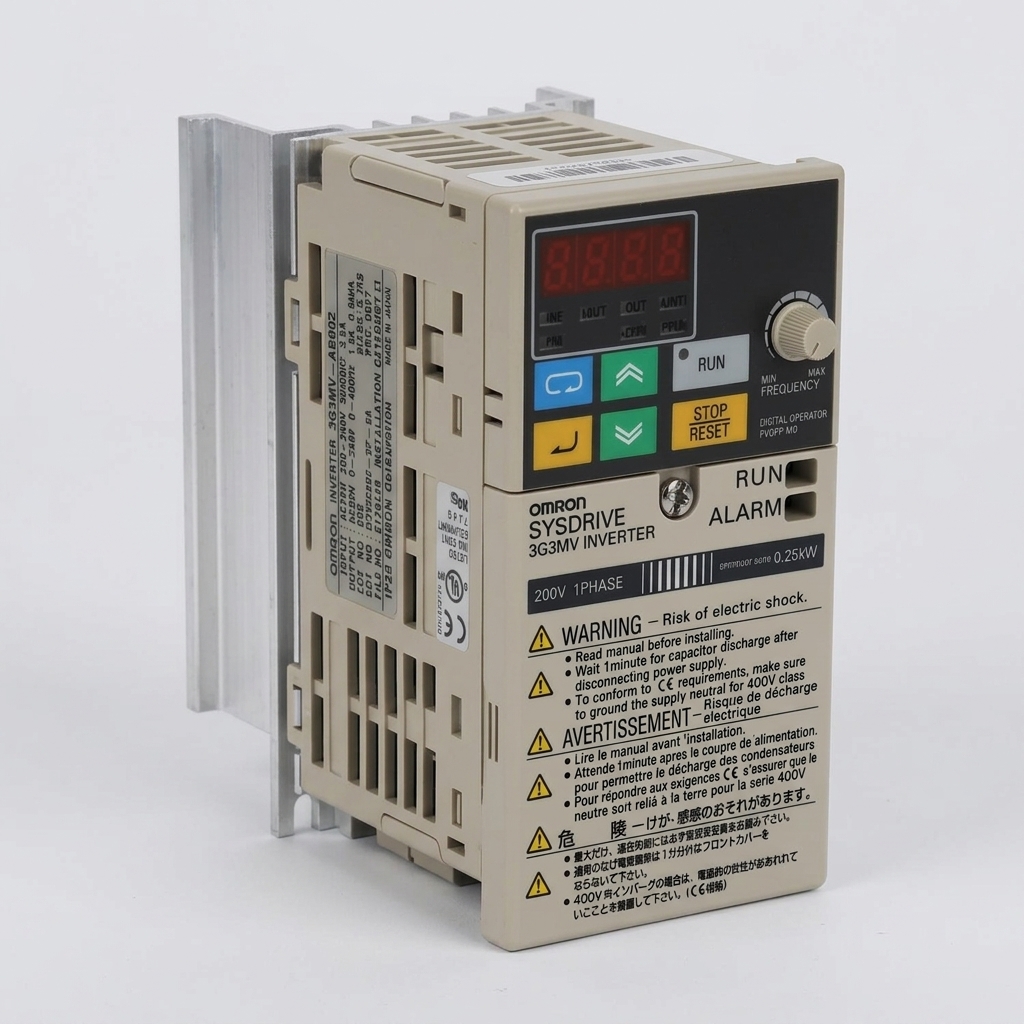
In the vast majority of cases, yes. Most of the faults described above can be addressed through our variable speed drive repair service, including for older or obsolete models—often for a fraction of the price of a standard exchange or a new one. And if a replacement is necessary, we also offer reconditioned drives tested in our workshop.
At 2TECH, we repair drives and servo drives of all brands: Lenze, Danfoss, Schneider Electric, Siemens, SEW, ABB, Vacon, Omron, Bosch Rexroth, Yaskawa, Mitsubishi, and many others.
Is your drive faulty? Send it to us for a diagnosis: we will provide a free quote and offer you the fastest solution to get back into production.