Kromschröder
Actuator
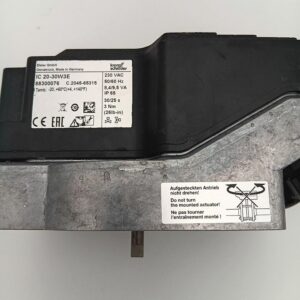
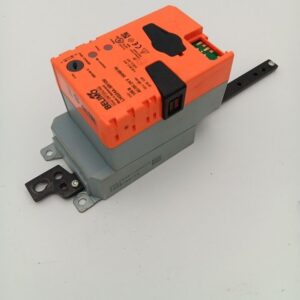
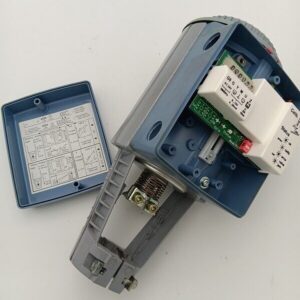
An actuator (or servomotor) is the essential drive component that converts an electrical control signal from a controller into highly precise mechanical movement. Mounted directly on valves or dampers, it continuously modulates the flow, pressure or temperature of fluids (water, steam, air) in HVAC installations. Thanks to advanced actuation technologies (such as electro-hydraulic or electromechanical systems), it delivers high driving force over a defined stroke to ensure smooth, responsive control. This equipment category also includes critical safety functions, such as spring-return mechanisms that automatically return the actuator to its safe position in the event of a power failure, as well as smart self-calibration and position feedback functions for seamless integration into building management systems.
Since 2007
All Brands
HUNTRON Testers
DHL 48h Delivery
Can't find your reference?
Contact our team
Why buy/repair from 2Tech rather than replacing with new?
Guaranteed compatibility
Save up to 70%
Controlled lead times
The advantages

- Independence vs. manufacturer
- 15 specialized technicians
- Component-level repair
- CSR approach to combat obsolescence
FAQ
A faulty actuator usually shows clear symptoms: no movement despite a control signal, grinding or abnormal noise from the gear train, sticking in an intermediate position, or an overheating housing. Checking the supply voltage and the control signal (0-10 V or 4-20 mA) confirms whether the fault lies in the motor or in the control system.
Repair cuts your costs by 30% to 60% compared with buying new equipment, while extending the service life of proven hardware. It is also the ideal solution for obsolescence, when the exact part number is no longer sold by the manufacturer.
The most frequent failures involve mechanical wear of the gears, a broken return spring, failure of the electronic control board, or a seized shaft caused by moisture ingress or excessive torque.