FUJI
IGBT Bridges
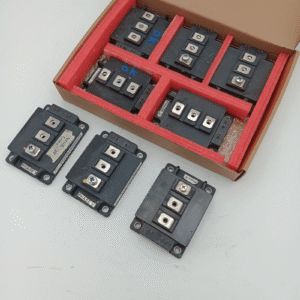
IGBT bridges and semiconductor power modules are the fundamental power-switching components in variable speed drives, inverters and industrial power supplies.
By chopping DC voltage at high frequency, as with Fuji Electric dual IGBT modules (e.g. 2MBI600U2E-060), they enable precise control of electric motor torque and speed.
Discover our selection of certified IGBT modules, thyristors and power diode bridges for repair, refurbishment and component-level maintenance of your drive equipment.
Since 2007
All Brands
HUNTRON Testers
DHL 48h Delivery
Showing the only result
Can't find your reference?
Contact our team
Why buy/repair from 2Tech rather than replacing with new?
Guaranteed compatibility
Save up to 70%
Controlled lead times
The advantages

- Independence vs. manufacturer
- 15 specialized technicians
- Component-level repair
- CSR approach to combat obsolescence
FAQ
The IGBT (Insulated Gate Bipolar Transistor) module acts as an ultra-fast electronic switch capable of switching high currents at high voltages. In a drive, it forms the final inverter stage that converts the DC voltage of the intermediate bus into a variable-frequency AC voltage to power the motor.
An IGBT failure immediately triggers the drive's protections: the supply line trips at power-up, an overcurrent/short-circuit fault (Overcurrent / OC) is displayed, or the ultra-fast fuse on the DC bus blows.
The most common causes are overheating due to degraded thermal paste or a failed fan, transient overvoltages on the network, current peaks caused by a short circuit in the motor or wiring, or thermal fatigue of the internal solder joints after many load cycles.
Before powering up with a new IGBT, it is essential to check the gate driver stage, apply an even layer of high-conductivity thermal paste under the baseplate, and carry out an insulation test and a low-voltage check to avoid instant destruction of the new module.