SEW
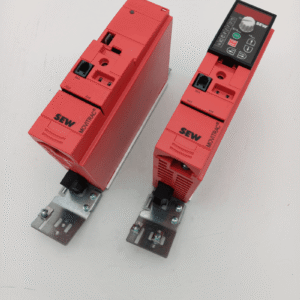
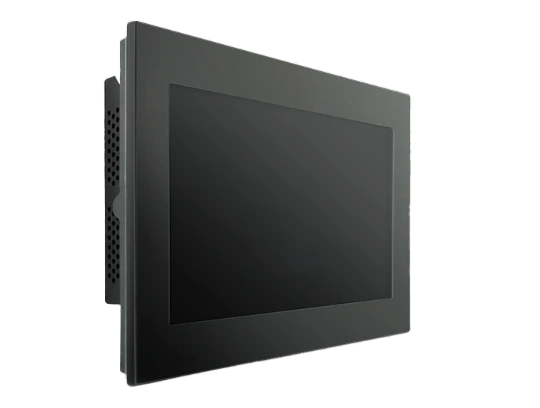
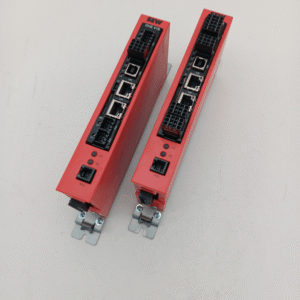
DHE41B/U0H11B Ethernet interface for SEW drives
Reference: DHE41B/U0H11B
In stock
900,00 €
Add to cart
Variable speed drives play a key role in optimising industrial electric motors, delivering energy savings, productivity and equipment protection. At 2Tech, we repair your variable speed drives independently, precisely targeting the faulty components to extend their service life and ensure optimal operation across all your production lines.
Showing 1-6 of 742 results
Contact our team

DC bus electrolytic capacitors: they dry out over time with heat and operating hours, losing their filtering capacity.
IGBT transistors and rectifier bridges: sensitive to voltage spikes, overcurrents and motor insulation faults.
Cooling fans: mechanical parts that seize or wear out, causing overheating trips.
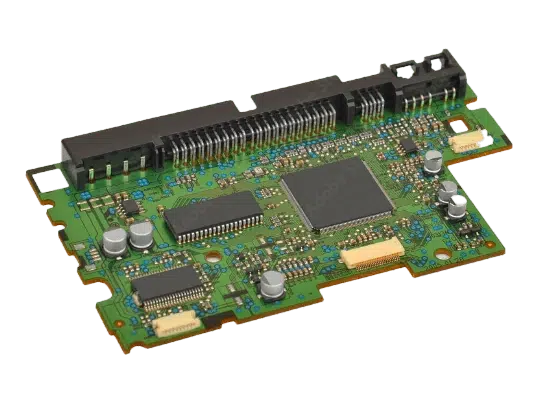
Control and driver boards: affected by conductive dust, humidity or corrosion on tracks and SMD components.
A drive that trips every time it starts (internal short circuit), a blank display despite a correct power supply, or recurring error messages such as Overcurrent, DC Bus Overvoltage or GND Fault are very good candidates for repair. If the chassis and motherboard are intact, replacing the power or filtering components generally costs 30% to 60% less than new equipment.
Visual and static inspection: inspection of components (burn marks, swollen capacitors) and measurement of diodes/IGBTs with a multimeter, power off.
Cleaning and decontamination: removal of metallic dust and chemical residue using ultrasound or dedicated solvents.
Replacement of faulty and preventive components: replacement of failed parts and of capacitors/fans at end of life.
DC bus reforming: gradual voltage ramp-up to reactivate the oxide layer of the electrolytic capacitors if the drive has been out of service for a long time.
The equipment is placed on a load test bench. It undergoes frequency ramp-up tests, acceleration/deceleration cycles under real or simulated load, an oscilloscope check of the output voltage waveforms, and a temperature rise test (infrared thermography) to validate the power stage.
Replacing an obsolete drive often means modifying the electrical cabinet, adapting the communication buses, buying new I/O cards and rewriting part of the PLC program. Component-level repair extends the life of the system without stopping the production line or launching a major engineering project.